

Neurospicy is a casual, community-coined word for neurodivergent: having a brain that works differently from what is considered typical. If you have spent any time in neurodivergent spaces online, you have seen it on TikTok, in memes, and on t-shirts. Here is where the word came from, who actually uses it, and why some people love it while others push back.
What Does Neurospicy Mean? A Quick Definition
Neurospicy is an informal, community-coined word for neurodivergent: having a brain that works differently from what is considered typical. People who are autistic, ADHD, dyslexic, dyspraxic, or otherwise neurodivergent use it as a warmer, more playful way to describe themselves. The "spicy" part swaps clinical language for something with a little more flavor and a little less weight.
You might hear someone say "I am a bit neurospicy" the way they would say "my brain works differently." It is self-identification with a smile, not a clinical diagnosis.
Where Did the Word "Neurospicy" Come From?
Neurospicy grew out of neurodivergent communities on social media, mostly TikTok and Twitter (now X), in the early 2020s. No single person is credited with coining it. It spread the same way "doomscrolling" and "main character energy" did: organically, because it captured something people already felt.
The word filled a gap. Many neurodivergent people felt that clinical terms like "disorder" or "deficit" did not match how they actually experienced their own brains. "Neurodivergent" was a step forward, but it could still feel heavy in casual conversation. Neurospicy offered something affirming, funny, and owned entirely by the community. It now has its own Merriam-Webster slang entry, a sign of how far it has traveled from a niche hashtag.
What Does Neurospicy Cover?
Neurospicy is an umbrella word, the same way neurodivergent is. People use it for a wide range of neurotypes, including:
- Autistic people: differences in social communication, sensory processing, and patterns of thinking.
- ADHDers: differences in attention, focus, impulse control, and executive function.
- Dyslexia: differences in reading and language processing.
- Dyspraxia: differences in motor coordination and planning.
- Tourette syndrome: involuntary tics and vocalizations.
- OCD: intrusive thoughts and repetitive behaviors.
- Sensory processing differences: heightened or reduced sensitivity to sensory input.
Plenty of people are more than one of these at once. Autistic and ADHD brains often go together, and someone who says they are "extra neurospicy" usually means they are navigating more than one neurotype.
Neurospicy vs. Neurodivergent: What Is the Difference?
They point to the same thing. The difference is tone. "Neurodivergent" is the word for articles, clinical notes, and advocacy work. "Neurospicy" is the word for brunch with friends, a caption, or a t-shirt. Most people who say one also use the other, depending on the room they are in. Neither is more correct; they just do different jobs.
Is "Neurospicy" Offensive? The Honest Answer
This is the part people actually argue about, so it is worth being straight about it: opinions in the neurodivergent community are genuinely split, and both sides have a point.
Why many people love it
For a lot of neurodivergent people, especially those diagnosed later in life, neurospicy is a relief. It reclaims the narrative from decades of deficit language. It lowers the stakes of a hard conversation. It gives undiagnosed and self-identifying people a low-pressure way to belong without disclosing medical specifics. And humor, frankly, is one of the fastest ways a community builds itself.
Why some people dislike it
Others find it grating, and not without reason. A common critique, argued in pieces like Neurodiverging's "I'm Not Neurospicy" and in academic coverage such as The Conversation's "Is it OK to use the term neurospicy?", is that "spicy" can make a genuinely disabling experience sound cute. For someone whose neurodivergence means real, daily barriers, a playful word can feel like it sands the disability down into a personality quirk. Threads across Reddit's r/neurodiversity show the same divide: some people embrace it, others say it makes them cringe.
Where that leaves you
The working consensus is simple. It is a self-identification word: great for describing yourself, not for assigning to someone else. If a person tells you they are neurospicy, they are sharing something personal with humor and trust, so meet them there. If someone tells you they would rather not be called neurospicy, that is just as valid. Neither the word nor its critics are wrong, and you do not have to pick a side to respect the people on both.
Reviewed by Grace Ledden, MA, BCBA, founder of Daily Bloom. As a Board Certified Behavior Analyst, Grace works from a neurodiversity-affirming stance and has written openly about the autistic community's criticism of older clinical practice. Read more on that here.

Why the Word Resonates
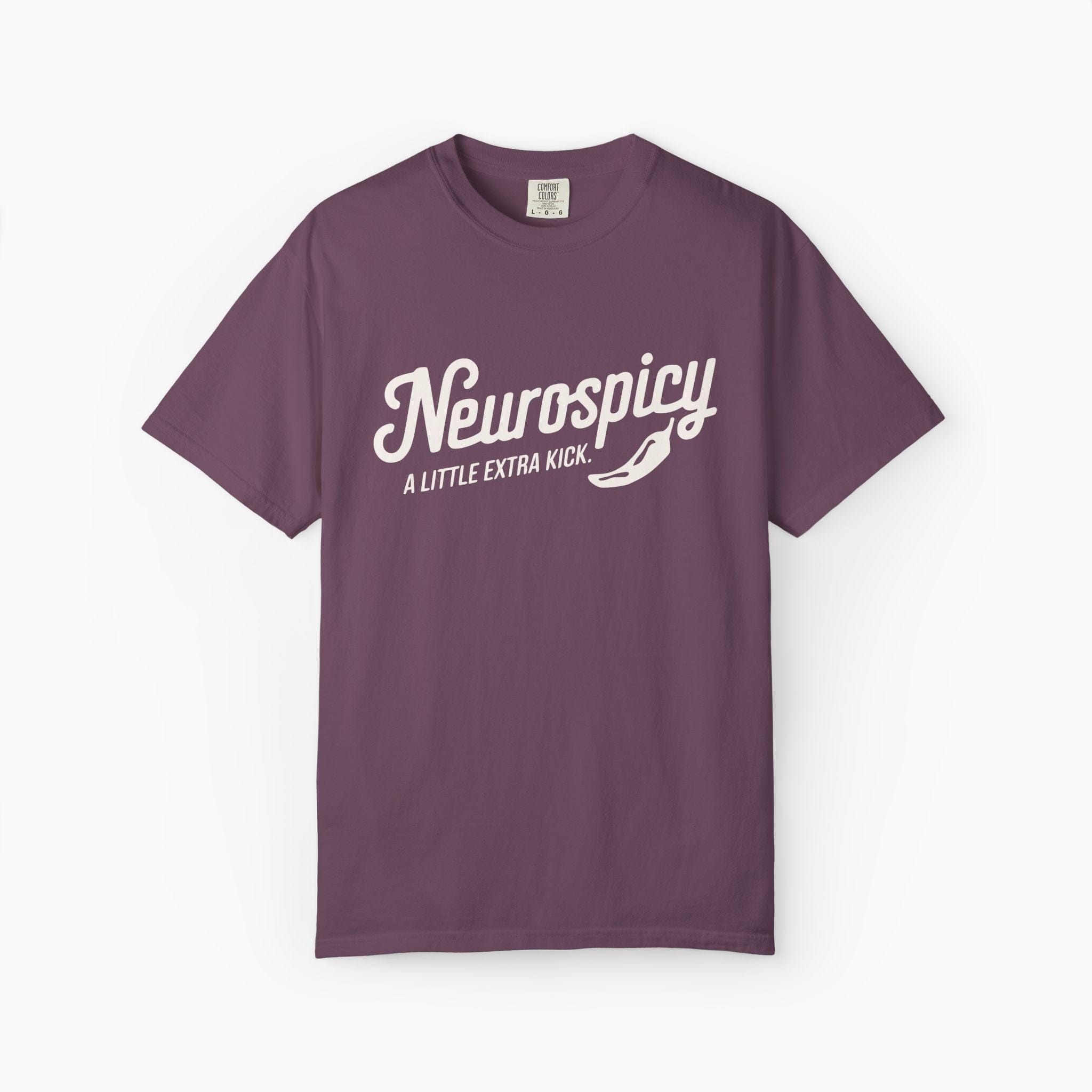
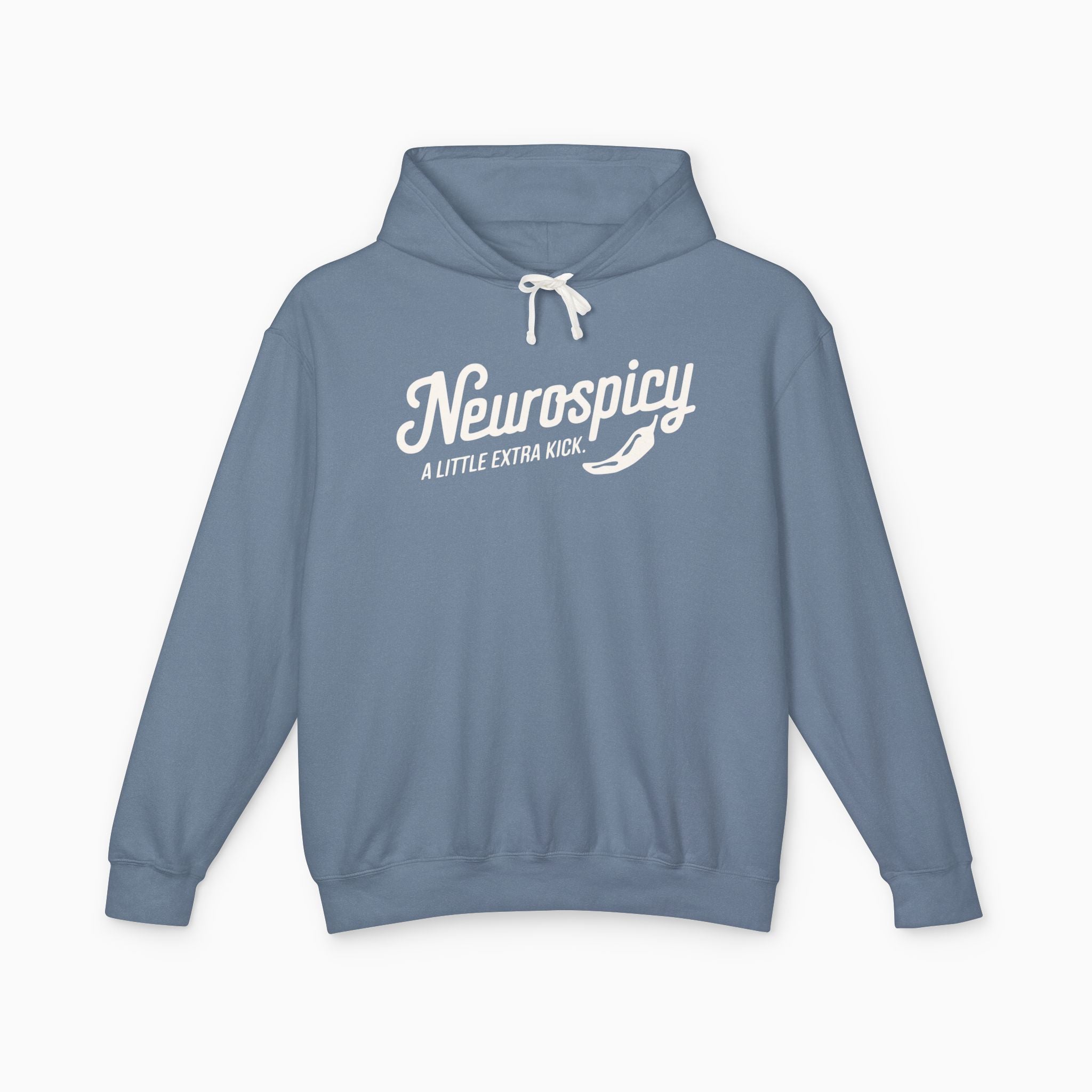
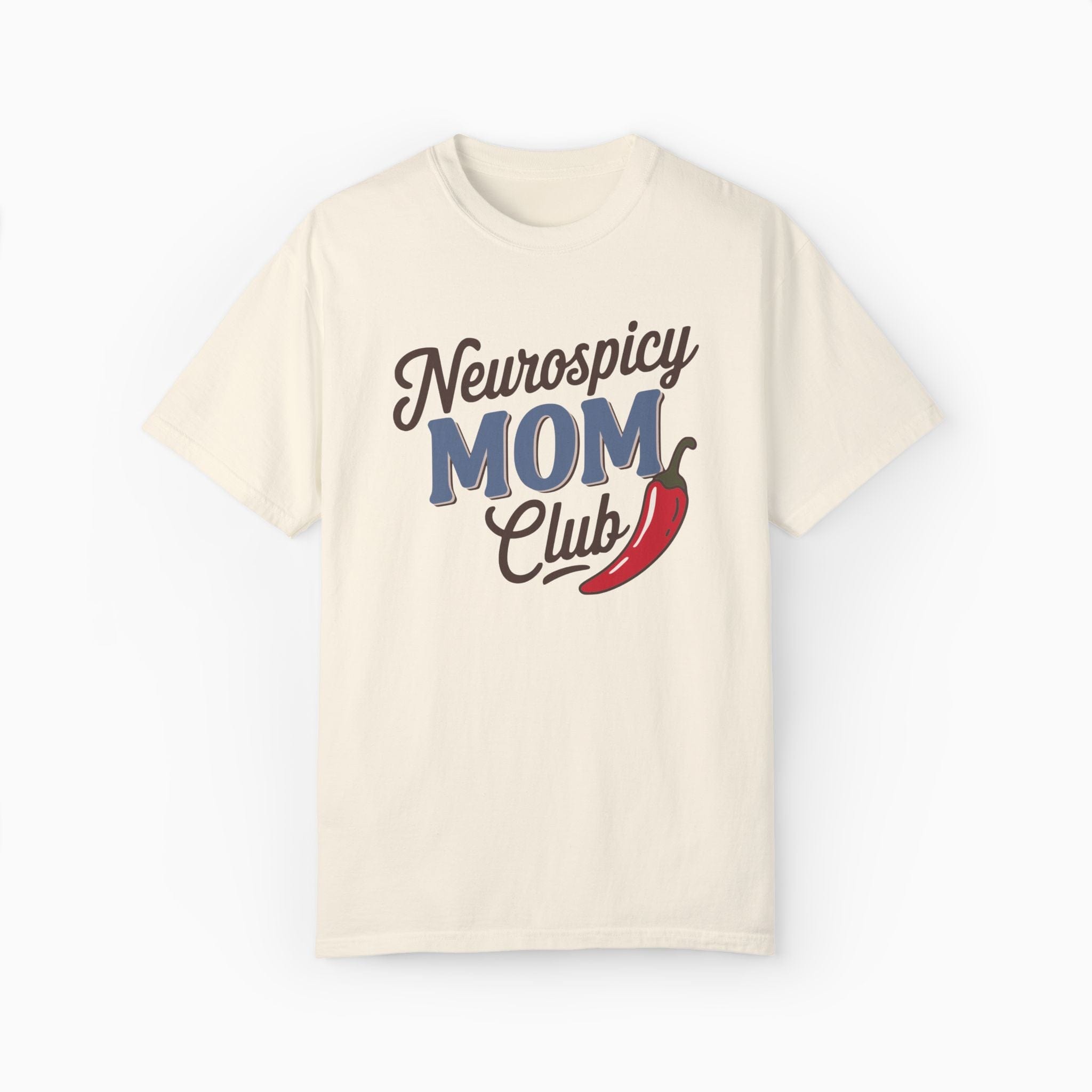
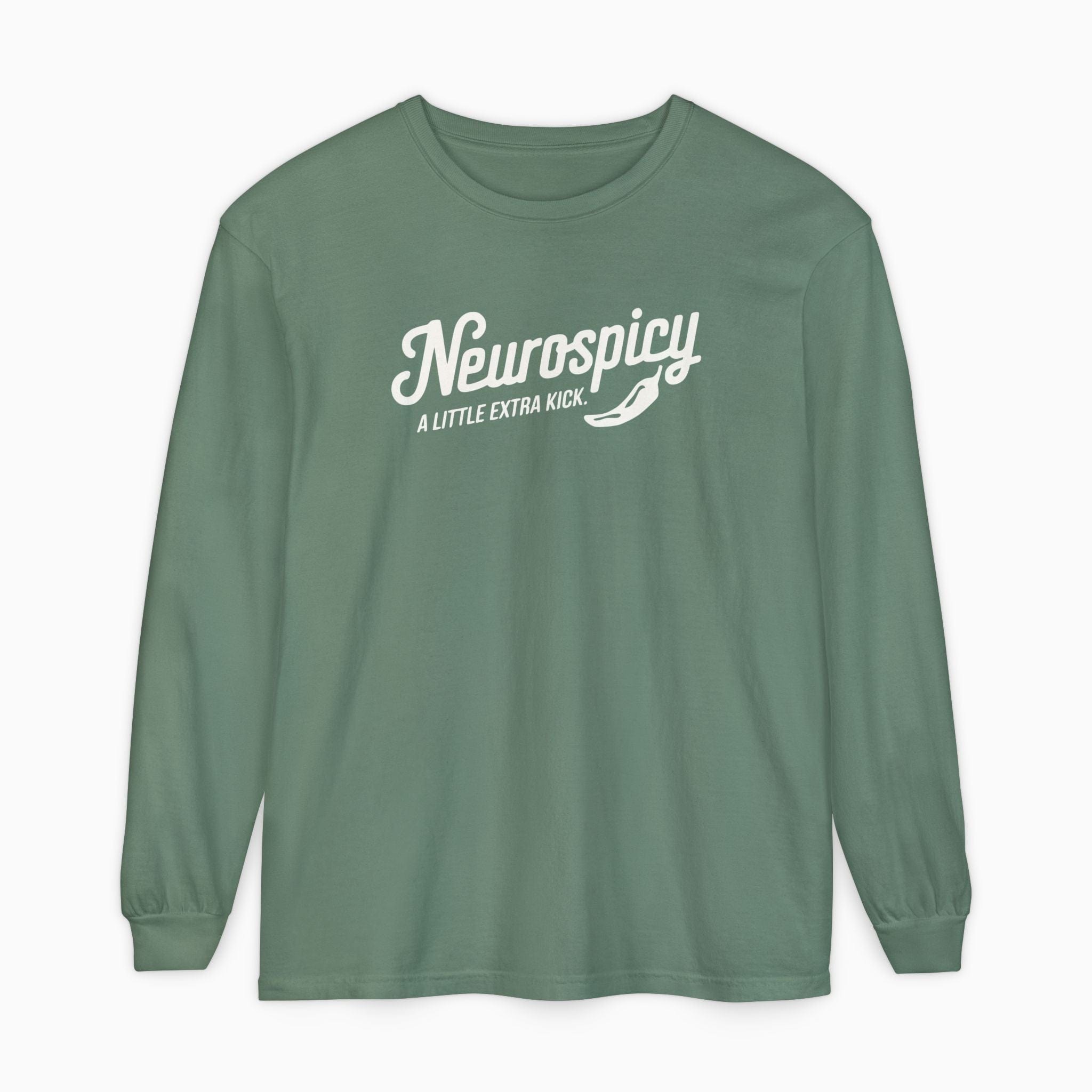
Step back from the debate and the appeal is easy to see. Neurospicy is affirming where older language was clinical. It is portable: it works in a caption, at a family dinner, or on a shirt, in a way that "neurodivergent" sometimes does not. And it points at a real cultural shift. Neurodivergent people are increasingly defining their own language and choosing to be visible rather than to mask. A word does not cause that shift, but it can mark it.
Frequently Asked Questions
What does neurospicy mean?
Neurospicy is an informal, community-coined word for neurodivergent: someone whose brain works differently from the typical. Autistic people, ADHDers, dyslexic people, and others use it as a playful, affirming way to describe themselves. It is identity, not a clinical diagnosis.
Is neurospicy the same as neurodivergent?
Yes. They mean the same thing. The difference is tone: neurospicy is casual, humorous, and community-driven, while neurodivergent is the term used in clinical and academic settings. Many people use both, depending on the situation.
Is it okay to say neurospicy?
If you are neurodivergent, yes; many people use it about themselves with pride. If you are not, follow the lead of the neurodivergent people around you, and never use it to mock or minimize someone. Some neurodivergent people dislike the word, and that preference is just as valid.
Is neurospicy offensive?
It depends who you ask. Most people who use it mean it warmly, as self-identification. Some find that "spicy" trivializes a genuinely disabling experience. Both views are common and reasonable. The safe rule: use it for yourself, not to label others.
Where did neurospicy come from?
It grew out of neurodivergent communities on TikTok and Twitter in the early 2020s. No single person coined it. It spread because people wanted a lighter, more affirming way to talk about their brains, and it now has its own Merriam-Webster slang entry.
Is neurospicy only for autism?
No. It covers all kinds of neurodivergence, including autism, ADHD, dyslexia, dyspraxia, Tourette syndrome, OCD, and sensory processing differences. It is an umbrella word, not specific to any one neurotype.
What does "extra neurospicy" mean?
Usually that someone has more than one neurotype at once, such as being autistic and ADHD. It is a lighthearted way of saying their brain has a lot going on.
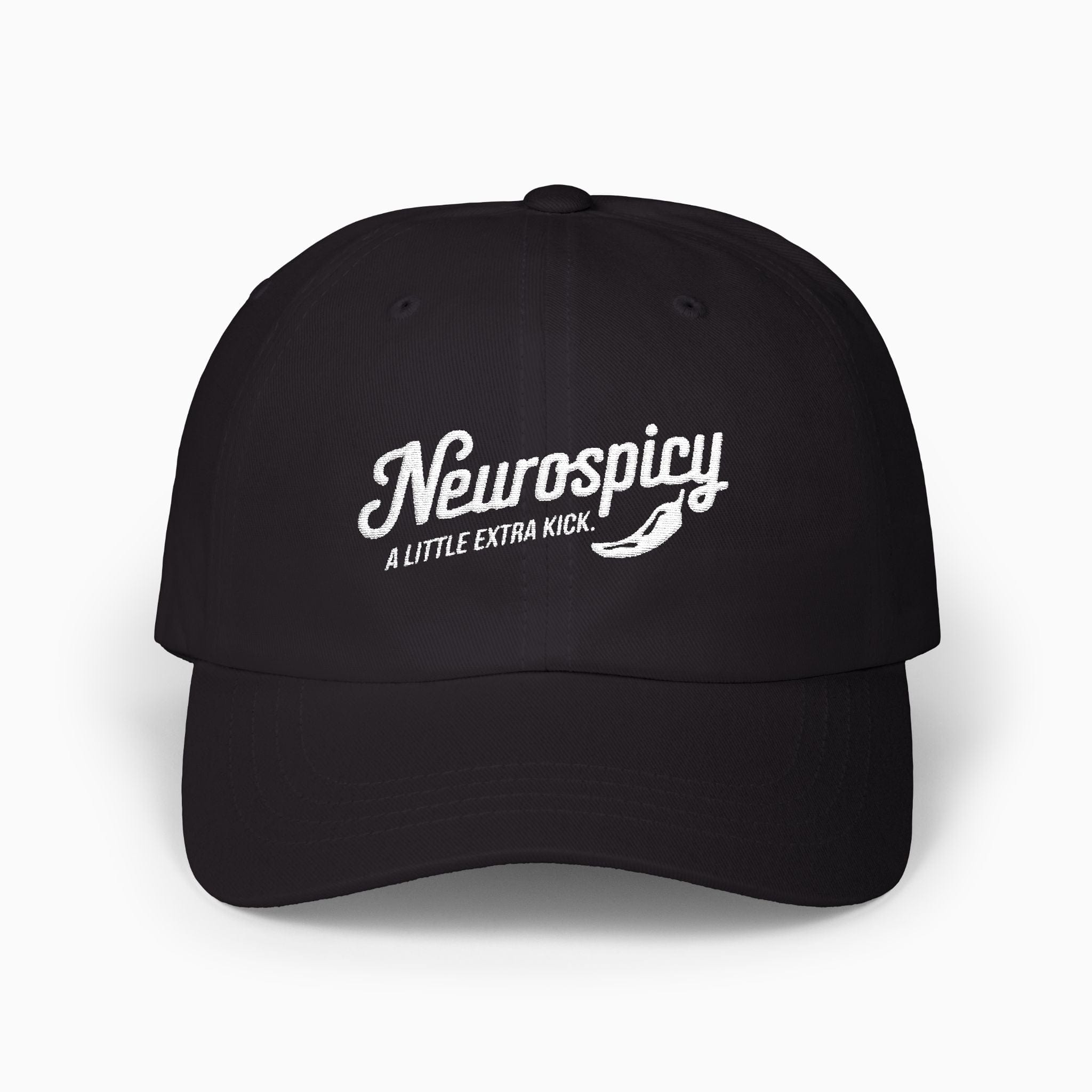


Related Reading: ABA Therapy: Past, Present and Progress | Autism Acceptance Month 2026
Shop Neurospicy & Neurodiversity Apparel: Neurospicy Shirts & Tees | ADHD Shirts | Neurodiversity Apparel